

Most development cooperation starts with governments, aid agencies or international organizations. The Dutch experience with farmer organizations followed also a different route. It began with a simple but unconventional conviction: farmers are not merely beneficiaries of development. They are agents of development. That idea may sound unremarkable today. Half a century ago it was anything but.
During the 1970s, much of development thinking viewed peasants as conservative actors trapped in traditional cultures. Development was expected to come from the state, experts or modernizing elites. Yet a small group of Dutch scholars, activists and agricultural educators challenged that orthodoxy. Among them was the anthropologist Gerrit Huizer, who argued that farmers were capable of organizing themselves and becoming protagonists of social and economic change. The implication was profound. If farmers could shape their own future, development cooperation should strengthen their organizations rather than speak on their behalf.
The idea found fertile ground in the Netherlands. Agricultural colleges introduced Third World awareness programmes. Wageningen University became a centre for research on farmer organizations and rural agency. Solidarity groups established links with peasant movements in Latin America. What started as academic debate gradually evolved into practical experimentation.
Nicaragua as a laboratory
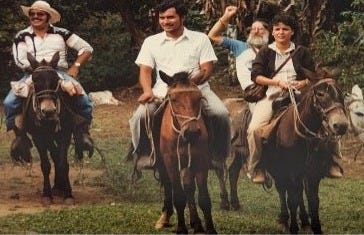
The decisive breakthrough came not in the Netherlands but in Nicaragua. Following the Sandinista revolution, the National Union of Farmers and Ranchers (UNAG) emerged as one of the most influential farmer organizations in Latin America. Through the FAO’s People’s Participation Programme, Dutch researchers and practitioners became closely involved in supporting UNAG’s efforts to organize farmers, influence policy and improve access to land, credit and services.
For many Dutch observers, Nicaragua demonstrated something that conventional aid programmes often overlooked. Organized farmers could formulate policies, negotiate with governments and build economic institutions of their own. Development was not simply a matter of transferring resources. It also required building organizations capable of exercising economic and political agency.
The experience was not without contradictions. UNAG’s later ventures into banking and business development revealed the risks of weak capitalization, political dependency and insufficient professional management. Yet these shortcomings reinforced rather than weakened a central lesson: sustainable development required strong farmer-controlled institutions, not permanent reliance on governments or donors.
From solidarity to institutions
The 1990s brought a second transformation. Global trade liberalization shifted attention from state-led development towards markets, entrepreneurship and private initiative.
At precisely that moment Dutch agriculture was completing its own long journey from smallholder farming to one of the world’s most productive agricultural sectors. Farmer organizations, cooperatives and agribusiness networks had played a decisive role in that process. Increasingly, Dutch farm leaders began asking whether similar institutional models could help farmers elsewhere.
The answer was Agriterra. Established in 1997 through the cooperation of Dutch farmer organizations, Agriterra represented a novel proposition. Instead of professional aid workers advising farmers, farmers themselves would advise fellow farmers. The concept later became known as the agri-agency model. It was development cooperation built around peer-to-peer exchange rather than traditional donor-recipient relationships.
This timing proved fortunate. The Dutch government was simultaneously rethinking the role of the private sector in development cooperation. New regulations made it possible to support partnerships involving producer organizations and business actors. Farmer-to-farmer cooperation became one of the earliest examples of this broader shift.
The rise of the agri-agencies
By the early 2000s, the Dutch experiment was becoming part of an international movement. AgriCord, founded in 2002, united agricultural development agencies from several countries. Most of them were founded before Agriterra, and the Scandinavian companies even served as a source of inspiration for the Dutch agri-agency.. Through networks of experts, later known as AgriPool, farmer organizations from Europe began providing professional advice to cooperatives and producer organizations across Africa, Asia and Latin America.
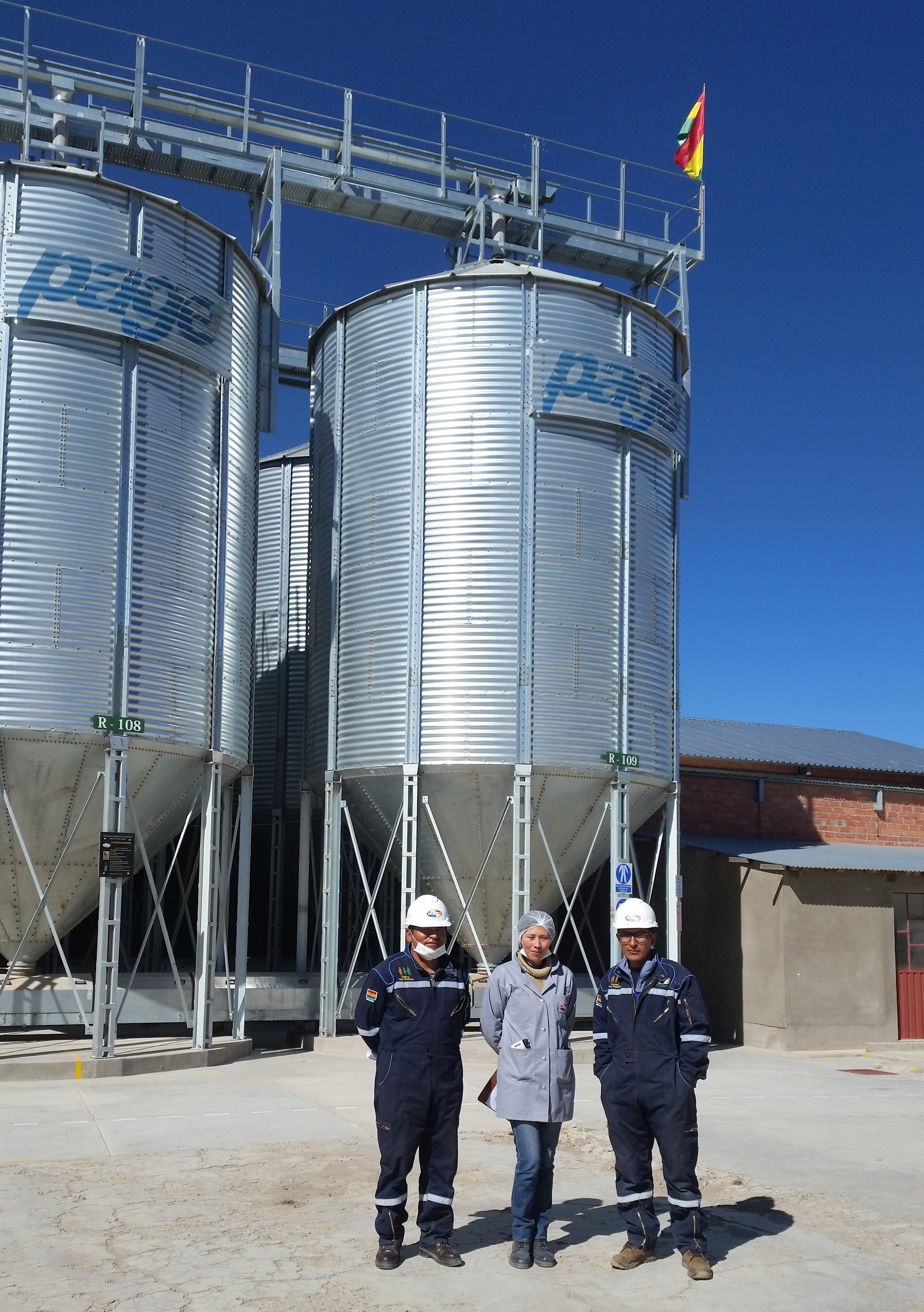
The approach differed fundamentally from much conventional aid. Traditional NGOs often focused on service delivery or advocacy for NGO-led issues. Agri-agencies concentrated on strengthening representative organizations, improving governance, building businesses and helping farmers gain influence over markets and policies.
The model gained further momentum as international institutions rediscovered agriculture. The World Bank’s renewed focus on agriculture, IFAD’s Farmer Forum and the food-price crises of the late 2000s all contributed to a more favourable environment for farmer-led development.
Agriterra gradually evolved as well. Support to farmer-led advocacy remained important, but increasing emphasis was placed on cooperative business development, financial services and professionalization.
Why the Dutch case was exceptional
Few donor countries followed the same path. The Dutch model emerged from a unique combination of circumstances: a highly organized farming sector, strong agricultural cooperatives, a tradition of pillar-based self-organization, supportive academics and a government willing to experiment with new forms of development cooperation.
This combination produced what is often called the Dutch Diamond: cooperation among government, business, civil society and knowledge institutions. Yet institutional explanations alone are insufficient. The story was also shaped by individuals willing to translate ideas into organizations and organizations into policy. Without that entrepreneurial dimension, farmer-led development cooperation would probably have remained an academic concept.
A new crossroads
Today the model faces a paradox. The very success of structural transformation has reduced agriculture’s economic weight in the Netherlands and much of Europe. Policymakers increasingly focus on climate, migration, security and geopolitical competition. Agriculture remains important, but it no longer dominates political attention as it once did.
At the same time, food security, strategic autonomy and resilient supply chains have returned to the international agenda. These challenges require cooperation with farmers and their organizations, not merely policies directed at them.
The future of farmer-oriented development cooperation is therefore unlikely to resemble its past. The language of solidarity is gradually giving way to the language of alliance or even joint enterprise, entrepreneurship and mutual interest. Development cooperation itself is increasingly becoming cooperation among economic actors rather than transfers from donors to recipients.
Half a century after Dutch scholars first argued that farmers should have a voice in development, the question is no longer whether farmers belong at the table. The question is whether development cooperation can remain effective if they are absent from it.